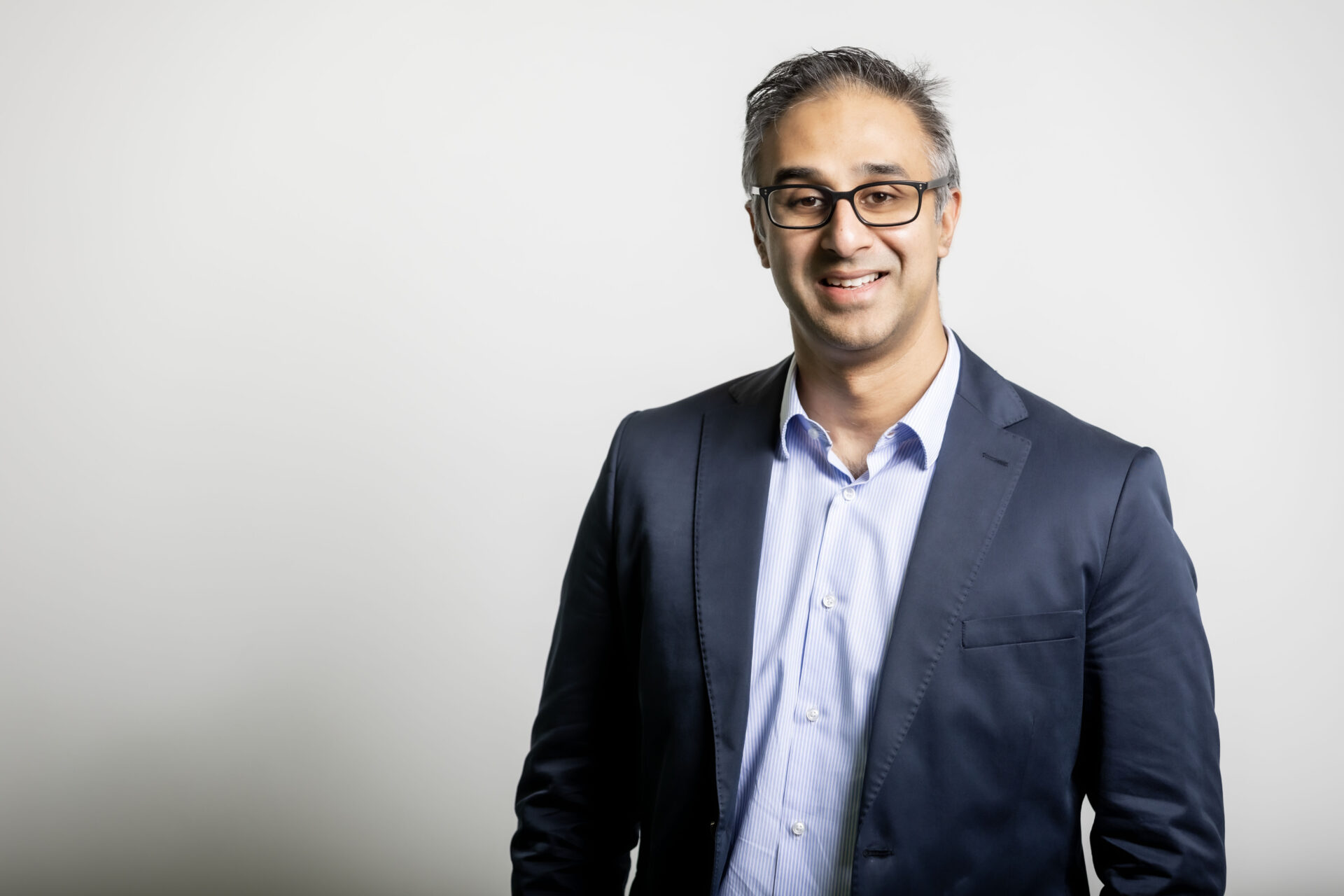
Professor Gurprit Singh Lall
He/Him
On this page
About
Gurprit Lall is a Professor of Neuroscience at the University of Kent. He studied Neuroscience (MSc) at the Institute of Psychiatry, Psychology and Neuroscience, King’s College London (IoPPN-KCL) and then went on to complete his PhD in circadian rhythms in the School of Psychology and Neuroscience at the University of Glasgow. As the Principal Investigator of the Sleep, Circadian and Mental Health Neuroscience Research Group, his work critically examines the intersection of neurological disorders and sleep disruption- with a focus on the neural basis of sleep regulation and the profound physiological effects of light on sleep-wake cycles and hormonal rhythms. His research program specifically investigates the role of circadian sleep disruption in neurodegenerative diseases and the menopausal transition. Gurprit’s research is funded by the Wellcome Trust, MRC, NIHR and Leverhulme Trust and is a Co-lead of the MRC Mental Health Network (https://www.circadianmentalhealth.org ). Holding dual roles in the School of Psychology and Kent and Medway Medical School (KMMS), Gurprit strengthens his research links holding research affiliations with the Kent and Medway Mental Health NHS Trust and King’s College London. Beyond his research, Gurprit is a committed institutional leader, serving as Associate Pro Vice Chancellor for Equality, Diversity, and Inclusion (EDI). He further extends his expertise through personal consultations, offering individuals evidence-based strategies to improve their sleep health and overall wellbeing, embodying a holistic approach to neuroscience and patient care.
Research interests
Gurprit Lall is a Professor of Neuroscience at the University of Kent. He studied Neuroscience (MSc) at the Institute of Psychiatry, Psychology and Neuroscience, King’s College London (IoPPN-KCL) and then went on to complete his PhD in circadian rhythms in the School of Psychology and Neuroscience at the University of Glasgow. As the Principal Investigator of the Sleep, Circadian and Mental Health Neuroscience Research Group, his work critically examines the intersection of neurological disorders and sleep disruption- with a focus on the neural basis of sleep regulation and the profound physiological effects of light on sleep-wake cycles and hormonal rhythms. His research program specifically investigates the role of circadian sleep disruption in neurodegenerative diseases and the menopausal transition. Gurprit’s research is funded by the Wellcome Trust, MRC, NIHR and Leverhulme Trust and is a Co-lead of the MRC Mental Health Network (https://www.circadianmentalhealth.org ). Holding dual roles in the School of Psychology and Kent and Medway Medical School (KMMS), Gurprit strengthens his research links holding research affiliations with the Kent and Medway Mental Health NHS Trust and King’s College London. Beyond his research, Gurprit is a committed institutional leader, serving as Associate Pro Vice Chancellor for Equality, Diversity, and Inclusion (EDI). He further extends his expertise through personal consultations, offering individuals evidence-based strategies to improve their sleep health and overall wellbeing, embodying a holistic approach to neuroscience and patient care. Linked in: https://www.linkedin.com/in/gurprit-lall-471a91196/ Research Interests Neuroscience, Sleep regulation (Physiology and Wellbeing), Circadian rhythms, Neurodegenerative disorders, Menopause and Healthy ageing.
Professional
Aiste Steponenaite; Jonas P. Wallraff; Ursula Wild; Lorna Brown; Ben Bullock; Gurprit S. Lall; Sally Ferguson; Russell G. Foster; Jennifer Walsh; Greg Murray.
"A Systematic Review of Epidemiological Studies into Daylight-Saving Time & Health Identifying Beneficial & Adverse Effects".
In press European Journal of Epidemiology"
the European Journal of Epidemiology (April 2026, Volume 41, Issue 4)
DOI: 10.1007/s10654-026-01372-8
Steponenaite A, Lalic T, Atkinson L, Tanday N, Brown L, Mathie A, Cader ZM, Lall GS.
"TASK-3, two-pore potassium channels, contribute to circadian rhythms in the electrical properties of the suprachiasmatic nucleus and play a role in driving stable behavioural photic entrainment."
Chronobiology International, Volume 41, Issue 6, Pages 802–816 (Published online June 2024)
DOI: 10.1080/07420528.2024.2351515
Schlichtner S, Yasinska IM, Klenova E, Abooali M, Lall GS, Berger SM, Ruggiero S, Cholewa D, Milošević M, Gibbs BF, Fasler-Kan E, Sumbayev VV.
"L-Kynurenine participates in cancer immune evasion by downregulating hypoxic signaling in T lymphocytes."
OncoImmunology Volume 12, 2023 - Issue 1.
DOI: 10.1080/2162402X.2023.2244330
Schlichtner S, Yasinska IM, Lall GS, Berger SM, Ruggiero S, Cholewa D, Aliu N, Gibbs BF, Fasler-Kan E, Sumbayev VV.
"T lymphocytes induce human cancer cells derived from solid malignant tumors to secrete galectin-9 which facilitates immunosuppression in cooperation with other immune checkpoint proteins."
Journal for ImmunoTherapy of Cancer (JITC) January 2023, Volume 11, Issue 1
DOI: 10.1136/jitc-2022-005714
A. Vitobello., G.S.Lall, Y. Ushkaryov et al.
"ADGRL1 haploinsufficiency causes a variable spectrum of neurodevelopmental disorders in humans and alters synaptic activity and behavior in a mouse model."
The American Journal of Human Genetics, August 4, 2022, Volume 109, Issue 8
DOI: 10.1016/j.ajhg.2022.06.011
T. Lalic, A. Steponenaite, L. Wei, S. Vasudevan, A. Mathie, S. Peirson, G. Lall*, and M. Cader*.
"TRESK is a key regulator of nocturnal suprachiasmatic nucleus dynamics and light adaptive responses."
Nature Communications, Volume 11, Article number: 4614 (Published August 2020)
DOI: 10.1038/s41467-020-17997-6
*joint corresponding author.