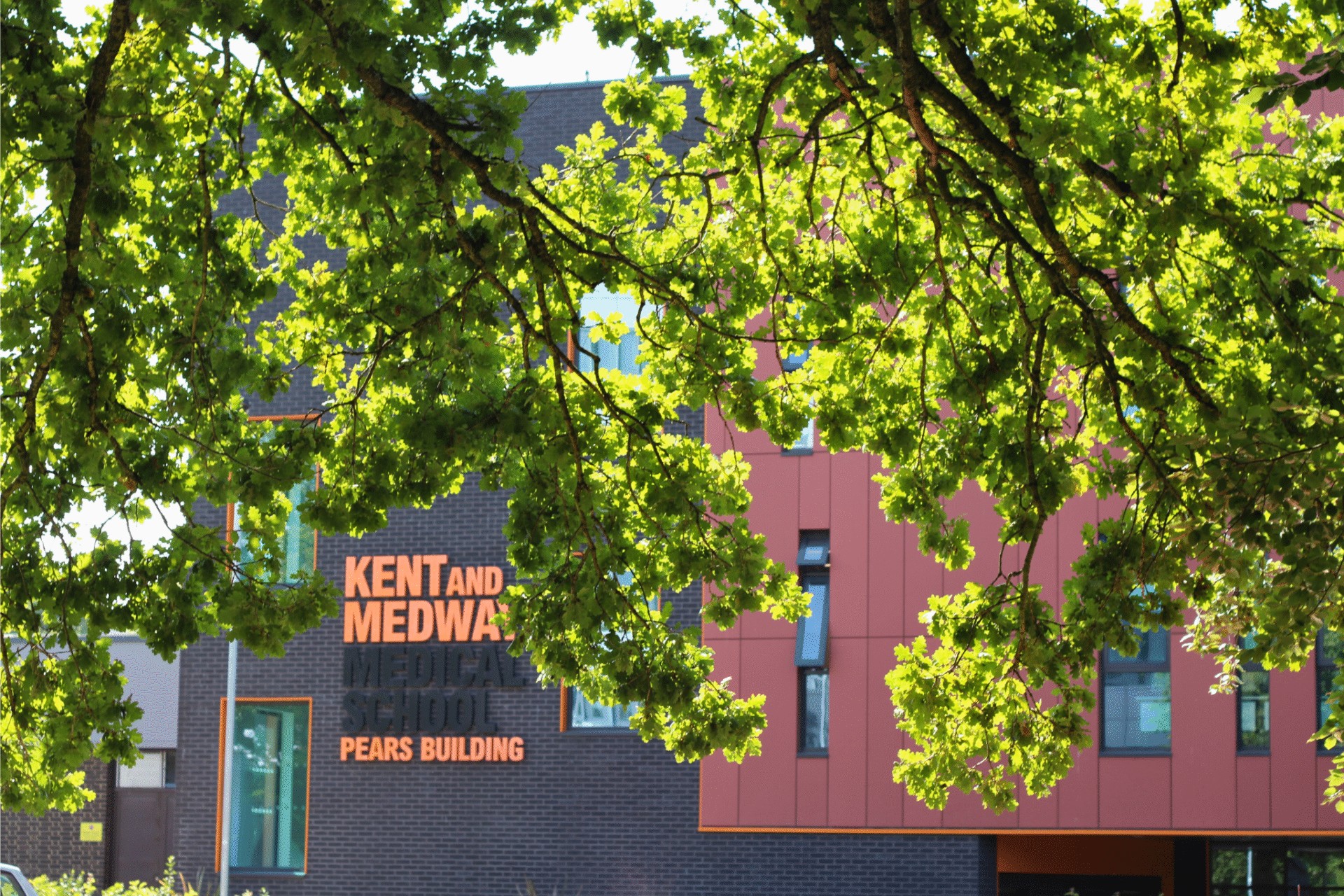
A new research study conducted at Kent and Medway Medical School (KMMS) has provided important insights into how our first cohort of final-year students prepared for the newly introduced UK Medical Licensing Assessment (UKMLA).
The study, authored by Soban Sadiq, Manfred Gschwandtner, Zachary Hollenberg, and Claire Parkin, has been published in Medical Science Educator and represents one of the first analyses of student preparation strategies for this national examination.
Supporting Our First UKMLA Cohort
The UKMLA, introduced nationally in 2024-25, is now a mandatory requirement for all UK medical graduates seeking registration with the General Medical Council. It comprises two components:
- The Applied Knowledge Test (AKT), assessing applied clinical knowledge
- The Clinical and Professional Skills Assessment (CPSA), evaluating practical and professional skills
KMMS students were among the first in the country to undertake this new assessment, making it particularly valuable to understand their preparation approaches and resource preferences.
Key Findings from the Study
The research surveyed Year 5 students following completion of the AKT and identified several key trends in learning resource use.
Extensive use of third-party learning resources
Students relied heavily on external resources, particularly question banks such as PassMedicine, alongside platforms including Geeky Medics, Zero to Finals, and Anki flashcards. These tools were valuable for providing exam-style practice, reinforcing knowledge, and helping identify learning gaps.
Students estimated that approximately 80% of their preparation time was spent using external resources, compared with 20% using KMMS-produced materials.
Strong role of KMMS resources in clinical skills preparation
In contrast, KMMS in-house resources played a critical role in preparing students for the CPSA component. Clinical Skills Hub materials, examination checklists, and teaching resources were highly valued, particularly because they were aligned with KMMS teaching and assessment methods.
Emerging use of artificial intelligence tools
The study also found that students increasingly used generative AI tools, such as ChatGPT, to support their learning. These tools were primarily used to clarify difficult concepts, explain answers from question banks, and provide personalised explanations tailored to student needs.
Implications for KMMS Teaching and Resource Provision
The findings provide valuable evidence to support ongoing curriculum development and student support strategies at KMMS. In particular, the study highlights:
- The importance of question banks and interactive learning tools in exam preparation
- The continued value of KMMS-produced resources, particularly for clinical skills training
- Opportunities to further support students through targeted provision of external learning resources
- The emerging role of AI as a supplementary learning tool
Encouragingly, the Year 5 cohort achieved a 100% pass rate in the UKMLA, demonstrating the effectiveness of both student preparation strategies and the educational support provided by KMMS.
Recognising KMMS Research and Educational Leadership
This study reflects KMMS’s commitment to evidence-based medical education and continuous improvement in student support. The work of Soban Sadiq, Manfred Gschwandtner, Zachary Hollenberg, and Claire Parkin contributes important national insights and reinforces KMMS’s position as a leader in medical education innovation.